Wisconsin License Price Calculator
How Much Is a Fishing License in Wisconsin?
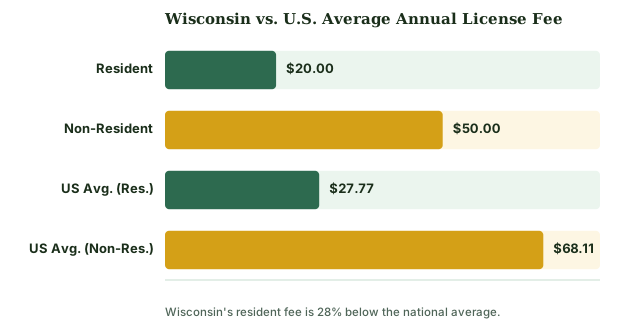
A Wisconsin resident annual fishing license costs $20.00 (Covers inland waters statewide). Non-residents pay $55.00 for the same annual license. Wisconsin keeps its base license simple and affordable — the complexity comes from add-on stamps. If you're fishing for trout inland or salmon on the Great Lakes, budget for a stamp on top of the base license.
Wisconsin Fishing License Price Table (2026)
| License Type | Resident | Non-Resident | Notes |
|---|---|---|---|
| Annual | $20.00 | $55.00 | Covers inland waters statewide |
| 1-Day | $8.00 | $15.00 | Single-day fishing |
| First-Time Buyer | $5.00 | N/A | See notes above |
| Senior (65+) | $7.00 | N/A | See notes above |
| Youth (Under 16) | Free | Free | Most states exempt young anglers |
Trout and Great Lakes Stamps Are Separate
Your base Wisconsin license doesn't cover trout or Great Lakes salmon by itself. An inland trout stamp ($10) is required for inland trout streams, and a separate Great Lakes trout/salmon stamp ($10) is required for Lake Michigan and Lake Superior. Anglers who only fish for walleye, bass, or panfish in inland lakes don't need either stamp.
Wisconsin's Muskie Capital Status
Wisconsin is widely considered the muskie capital of the world, with more than 15,000 lakes and 42,000 miles of streams and rivers. Muskie season timing varies by zone (northern zone opens the last Saturday in May, southern zone the first Saturday in June), so check current regulations before targeting Wisconsin's state fish — your license covers the pursuit, but season dates still apply.
Never Held a Wisconsin License Before? You Qualify for $5
Wisconsin's $5 First-Time Buyer license is a one-time discount for residents who've never purchased a Wisconsin fishing license before — a 75% discount off the standard $20 annual rate. It's easy to miss since it's not advertised as prominently as the senior rate, but it applies regardless of age; if you're a resident adult buying your very first license, check whether you qualify before paying full price.
Wisconsin Fishing Seasons & Bag Limits (2026)
These are Wisconsin's default statewide season windows and bag/size limits for the most commonly targeted species. Many individual lakes, rivers, and reservoirs carry their own special regulations that override these defaults — always confirm the rules for your specific water before you fish.
| Species | Season | Min. Size | Daily Limit |
|---|---|---|---|
| Walleye (most lakes) | General inland season: May 2, 2026 – March 7, 2027 | 14" min. | 5/day (1/day with 22–28" protected slot on designated 'lakes of concern') |
| Bass (Largemouth/Smallmouth, combined) | General inland season | Varies by lake | 5/day |
| Panfish (combined: bluegill, sunfish, crappie, perch, rock bass, white bass) | Year-round | No statewide min. | 25/day combined |
Where to Buy a Wisconsin Fishing License Locally
In addition to the official state portal linked above, Wisconsin fishing licenses are typically available at Walmart, Bass Pro Shops, Cabela's, and Dick's Sporting Goods locations statewide, along with independent bait & tackle shops. Call ahead if you need a specific license type (combination, lifetime, or trout stamp) since not every retail counter carries every product.
Wisconsin Fishing License — FAQs
How much is a Wisconsin fishing license?
A Wisconsin resident annual license costs $20.00. Non-residents pay $55.00 for the same annual license. A 1-day license is $8.00 for residents and $15.00 for non-residents.
Do I need a trout stamp in Wisconsin?
Yes, if you're fishing for trout in inland streams or lakes, you need a $10 inland trout stamp in addition to your base license. Fishing for trout or salmon on Lake Michigan or Lake Superior requires a separate $10 Great Lakes trout/salmon stamp.
Is there a senior discount for Wisconsin fishing licenses?
Yes. Wisconsin residents aged 65 and older pay a discounted $7.00 annual rate, compared to the standard $20.00 resident rate.
When does a Wisconsin fishing license expire?
The Wisconsin license year runs April 1 through March 31 of the following year. A license purchased any time during that window expires on March 31.
Is there a free fishing weekend in Wisconsin?
Yes. Wisconsin's Free Fun Weekend waives license and stamp requirements for all anglers on a designated weekend each June, though bag and size limits still apply.
Where can I buy a Wisconsin fishing license?
Buy online through the DNR's Go Wild platform, at DNR Service Centers, or at registered sales locations like sporting goods stores and bait shops statewide.