Michigan License Price Calculator
How Much Is a Fishing License in Michigan?
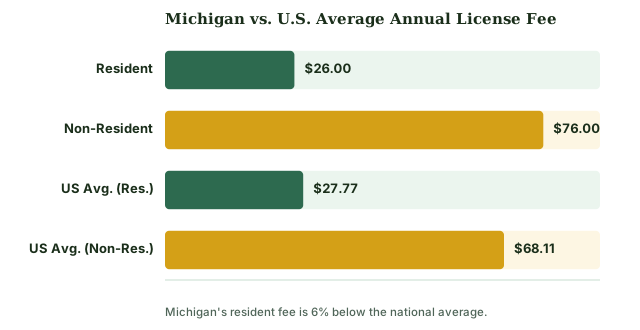
A Michigan resident fishing license costs $26.00 per year — an excellent value given that it covers four of the five Great Lakes plus thousands of inland lakes and rivers. Non-residents pay $76.00 for an annual license, which is on the higher end nationally but reflects Michigan's premium sport fishing. A 7-day non-resident option runs approximately $31.00, and a 24-hour license is just $10.00 for any angler.
Michigan seniors aged 65 and older who are state residents pay only $4.00 per year for their fishing license. For an entire year of Great Lakes access — walleye on Lake Erie, salmon on Lake Michigan, perch on Lake Huron — that's an extraordinary deal. Non-resident seniors do not qualify for this rate.
One add-on to know: Michigan requires a separate Salmon and Trout Restricted Harvest Stamp (~$15) for anglers who want to keep salmon or lake trout in designated Great Lakes tributary waters. If you're planning a salmon run on a Lake Michigan tributary in the fall, budget for both the annual license and the stamp. Check the Michigan DNR for the current list of designated waters.
Michigan Fishing License Price Table (2026)
| License Type | Resident | Non-Resident | Notes |
|---|---|---|---|
| Annual Fishing | $26.00 | $76.00 | Expires Dec 31 |
| 7-Day Fishing | N/A | ~$31.00 | Non-residents only |
| 24-Hour License | $10.00 | $10.00 | Same price all anglers |
| Senior Annual (65+) | $4.00 | N/A | Resident only |
| Salmon/Trout Stamp | +~$15 | +~$15 | Designated waters only |
| Youth (Under 17) | Free | Free | No license required |
What Michigan's Fishing License Actually Covers
Michigan is unique — it borders four Great Lakes, giving anglers remarkable variety under a single license. Lake Michigan offers world-class salmon and lake trout. Lake Superior in the Upper Peninsula is legendary for brook trout and lake trout in crystal-clear cold water. Lake Erie (southeast corner) produces some of the best walleye fishing in North America. Lake Huron is known for smallmouth bass and perch. Your $26 resident license unlocks all of it, plus the state's 11,000+ inland lakes and 36,000 miles of rivers and streams.
Fishing Lake St. Clair: A Border Warning
Lake St. Clair sits between Michigan and Ontario, Canada. Your Michigan fishing license covers the American side, but the Canadian border runs down the middle of the lake. Anglers who drift or anchor over the imaginary line onto the Canadian side without an Ontario Outdoors Card can face significant fines from Ontario conservation officers. If you're renting a charter on Lake St. Clair, confirm which waters you'll be in before assuming your Michigan license is enough.
The Salmon & Trout Stamp Your Base License Doesn't Include
Your base license covers most of Michigan's four Great Lakes, but targeting salmon or trout in designated Great Lakes tributaries requires an additional Salmon & Trout Stamp (roughly $15). It's easy to overlook since the base license already covers so much water — anglers heading up to fish a stocked river during a fall salmon run are the ones most likely to get caught without it.
Michigan Fishing Seasons & Bag Limits (2026)
These are Michigan's default statewide season windows and bag/size limits for the most commonly targeted species. Many individual lakes, rivers, and reservoirs carry their own special regulations that override these defaults — always confirm the rules for your specific water before you fish.
| Species | Season | Min. Size | Daily Limit |
|---|---|---|---|
| Walleye (most inland lakes) | Year-round, statewide default | 15" min. (13" Saginaw Bay/lower Saginaw River) | 5/day (8/day Saginaw Bay; 6/day Lake Erie) |
| Bass (Largemouth/Smallmouth) | Last Saturday in April – Dec. 31 (harvest); catch-and-release open year-round | Check current regs | Check current regs |
| Trout (streams, statewide default) | Varies by stream type | 10" min. (statewide default; many streams stricter) | 5/day (statewide default) |
Where to Buy a Michigan Fishing License Locally
In addition to the official state portal linked above, Michigan fishing licenses are typically available at Walmart, Bass Pro Shops, Cabela's, and Dick's Sporting Goods locations statewide, along with independent bait & tackle shops. Call ahead if you need a specific license type (combination, lifetime, or trout stamp) since not every retail counter carries every product.
Michigan Fishing License — FAQs
How much is a Michigan fishing license?
A Michigan resident fishing license costs $26 per year. Non-residents pay $76 for an annual license or $31 for a 7-day license. A 24-hour license is $10 for all anglers. Michigan seniors aged 65 and older who are residents qualify for a discounted annual license at just $4 — one of the best deals in the Midwest for senior anglers.
Does a Michigan fishing license cover the Great Lakes?
Yes. A standard Michigan fishing license covers fishing in all Great Lakes waters adjacent to Michigan — including Lake Michigan, Lake Superior, Lake Huron, and Lake Erie. No separate saltwater or Great Lakes endorsement is needed. Your license also covers all inland lakes, rivers, and streams statewide.
Do I need a separate license to fish in Lake St. Clair?
If you're a Michigan resident, your standard Michigan fishing license covers Lake St. Clair. However, Lake St. Clair borders both Michigan and Ontario — if you fish on the Canadian side, you'll need an Ontario fishing license. The imaginary border runs down the middle of the lake, so anglers who drift or anchor on the Canadian side without an Ontario license can face fines.
When does a Michigan fishing license expire?
Michigan fishing licenses expire on December 31st of the year they were purchased. Unlike some states with mid-year expirations, Michigan follows the standard calendar year. A license purchased on November 1st only covers you through December 31st — just two months. Buy in January to get a full year of use.
Do I need a salmon and trout stamp in Michigan?
Yes. Michigan requires a Salmon and Trout Restricted Harvest Stamp for anglers who want to keep salmon or lake trout in certain designated waters. This stamp is in addition to your standard fishing license and costs approximately $15. Check Michigan DNR regulations for current designated water lists, as they are updated annually.
Where can I buy a Michigan fishing license?
Purchase online at michigan.gov/dnr, at Walmart, Meijer, or any sporting goods retailer, or at a Michigan DNR Customer Service Center. The digital license is valid on your phone — no printing required. Most retail agents charge a small transaction fee of $1–$2.